
No Outside, group exhibition
12 September, 2026
Looking is never a way of remaining outside. The works brought together in No Outside begin from different places—the landscape, surveillance, war, the machine, the body—but share the same suspicion: that the distance between the observer and what is being observed is far less stable than we might think. In a first movement, the image turns crisis into landscape, forcing us to question the position from which we contemplate it. In the second, that distance collapses entirely, and the viewer enters the apparatus itself.
No Outside is an exhibition organised by Festival Proyector 2026 and hosted by HYPER HOUSE. Curated by Mario Gutiérrez Cru and Natalia Colina.
I.To the End of the World, More or Less
“When it reaches the city, / no harbour will shelter it,” wrote Mário Cesariny in O navio de espelhos. Perhaps this programme begins there: with an impossible ship, covered in reflections, suspended above the water, waiting for a slowly rising tide. There is no catastrophe yet. That is precisely what makes it unsettling. Contemporary catastrophe rarely arrives with a bang; more often, it comes as a period of waiting, as a beautiful image, as a repetition we would rather not fully understand.
The works brought together here inhabit this interval between warning and disaster, between beauty and its reverse, between looking and being looked at. In My World, by Stein Henningsen, a man in a suit furiously strikes the ice on a drifting ice floe. In O navio de espelhos, by Rui Soares Costa & André Gonçalves, a ship suspended above the Tagus waits for the water to rise. In POLYPHEM, by Ilaria Di Carlo, an industrial landscape of bauxite waste becomes a new Odyssey of the Anthropocene. In Ley Orgánica 4/1997, by Ángel Biyanueba, the sky appears enclosed within video-surveillance capsules. And in Artificios, by Chus García-Fraile, fireworks oscillate between nocturnal celebration and the visual memory of bombardment.
The sea is no longer just the sea. The sky is no longer just the sky. Fire is no longer just celebration. The landscape is no longer just landscape. Every image is permeated by a suspicion: are we witnessing a warning or a spectacle? A reflection or a threat? A celebration or a domesticated form of violence? Here, crisis appears not as some distant future, but as a condition already embedded in the way we look.
Between the Two Journeys
If in To the End of the World, More or Less the gaze discovers that it is already implicated in what it observes, in No Longer a Spectator that implication becomes physical. Distance is no longer merely questioned: it disappears. The eye enters the machine, and the body enters the image.
II. No Longer a Spectator
In this room, there are two ways of no longer being a spectator. One is optical: the machine opens itself up and looks back at you as you look. The other is bodily: another body lends you its steps, its fear, its sense of smell.
In LUF Scope, by HeeSue Kwon, the projection looks at itself. A device regulates the shutter speed, revealing what normally remains hidden inside the machine: the colour wheel spinning within the projector, now exposed on the screen as a breathing spectrum. A live camera captures this field of colour and feeds it back into the room, closing a circuit between the screen, the lens and the eyes that watch. The audience does not merely see: it sees itself being seen, and in that encounter the body is no longer a spectator but becomes part of the optical apparatus, a cog in the machinery of its own perception.
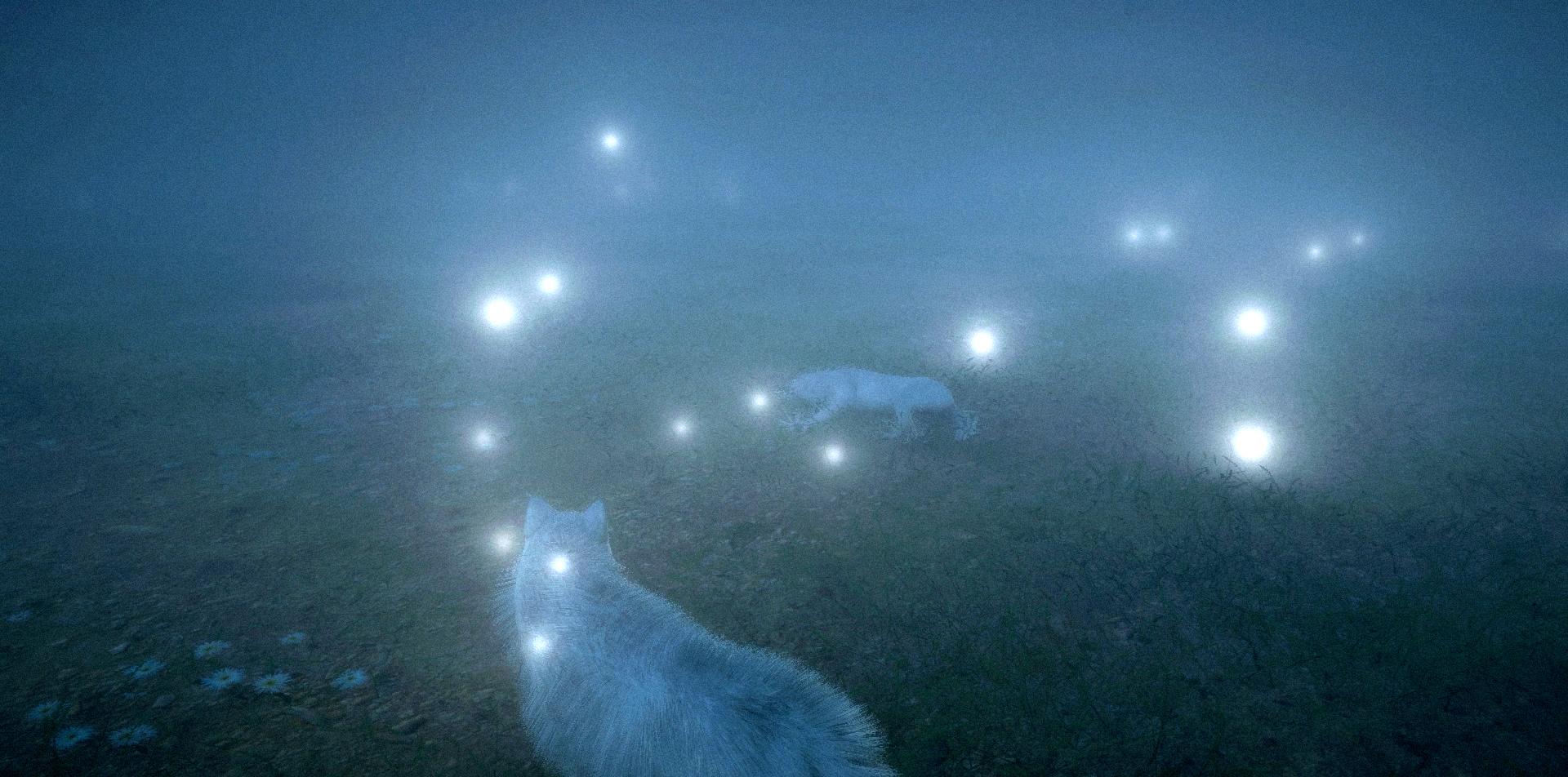
In Scent, by Alan Kwan, for a few minutes the spectator steps outside themselves and inhabits the body of a dog walking through the rubble of a city with no name, no flag, no date—a war that could be any war—collecting, one by one, the souls of the dead. There is no explanation, no historical context: only an animal’s sense of smell guiding the body through fear, darkness and, every so often, a brief glimmer of hope. In this video game, “playing” is a word that feels at once too narrow and too broad: the ludic element dissolves, and decisions become an illusion.
A machine watching itself turn. A borrowed body walking through horror. In both cases, something dissolves: the distance between the one who looks and what is looked at, between the one who decides and what has already been decided. The entire room becomes a mirror—sometimes optical, sometimes moral—in which the audience can no longer remain entirely outside.
More information is available on the festival website.
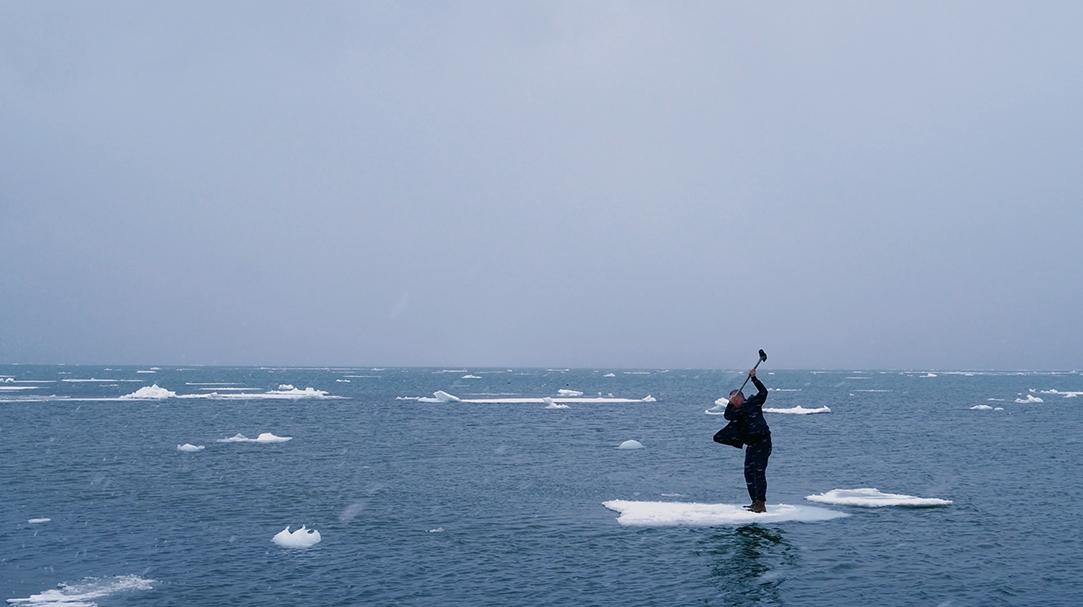
My World, Stein Henningsen
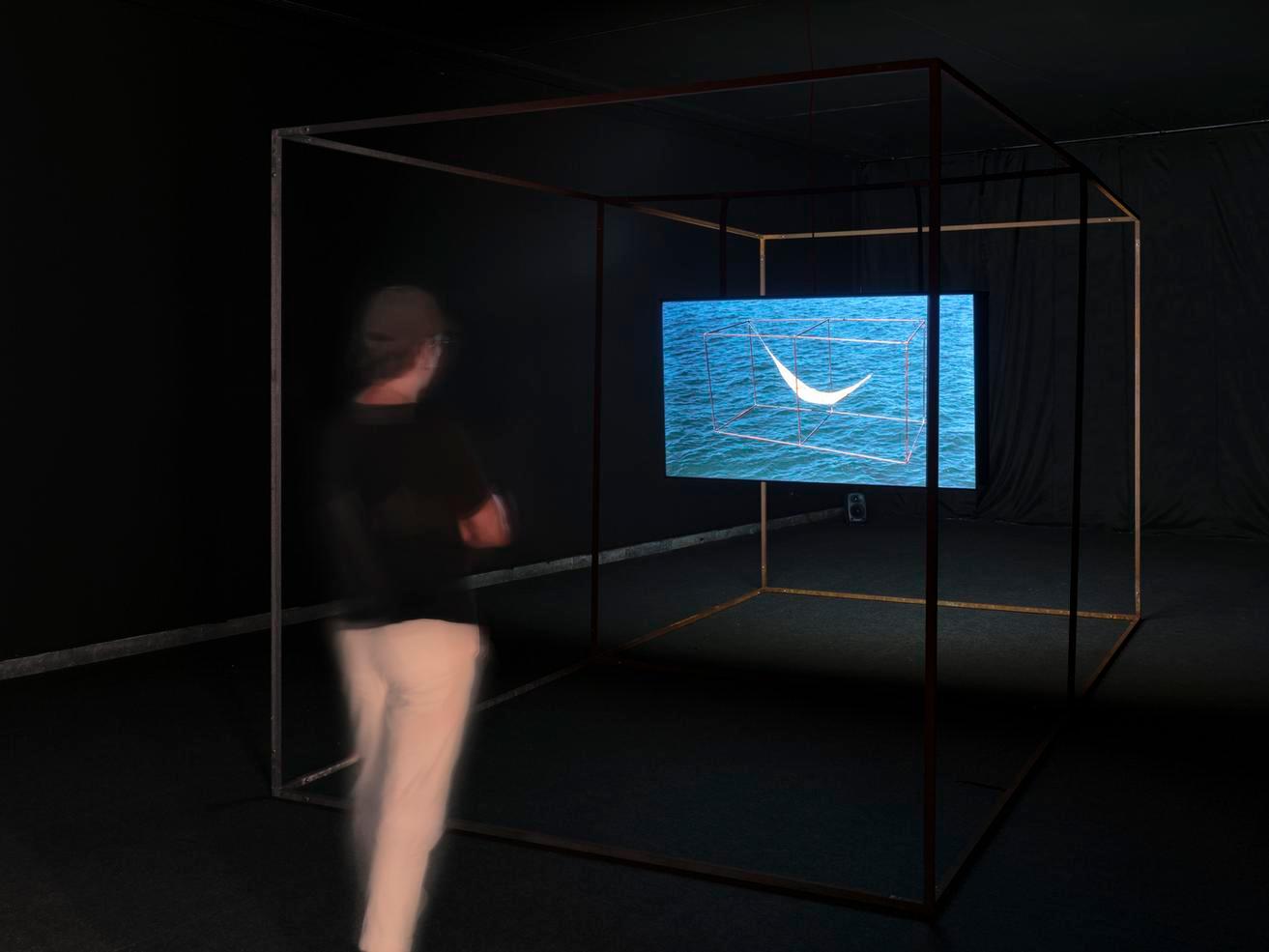
O navio de espelhos, Rui Soares Costa & André Gonçalves

POLYPHEM, Ilaria Di Carlo
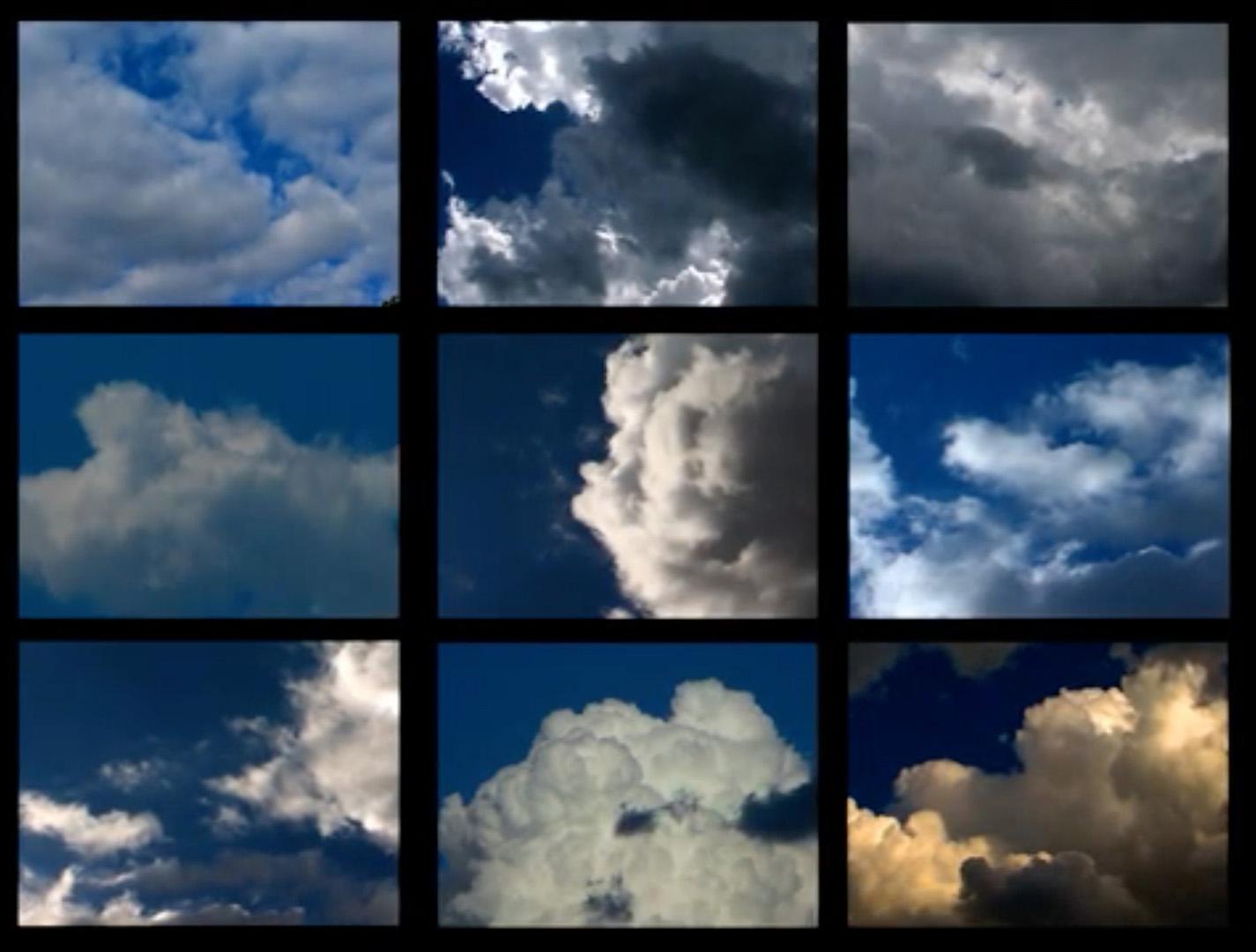
Ley Orgánica 4/1997, Ángel Biyanueba
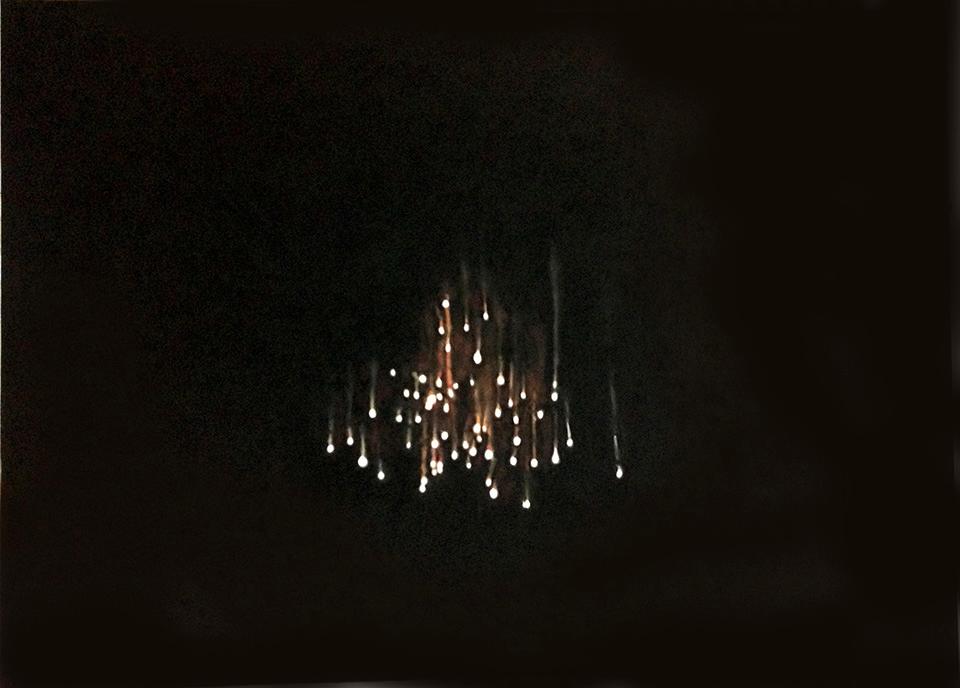
Artificios, Chus García-Fraile
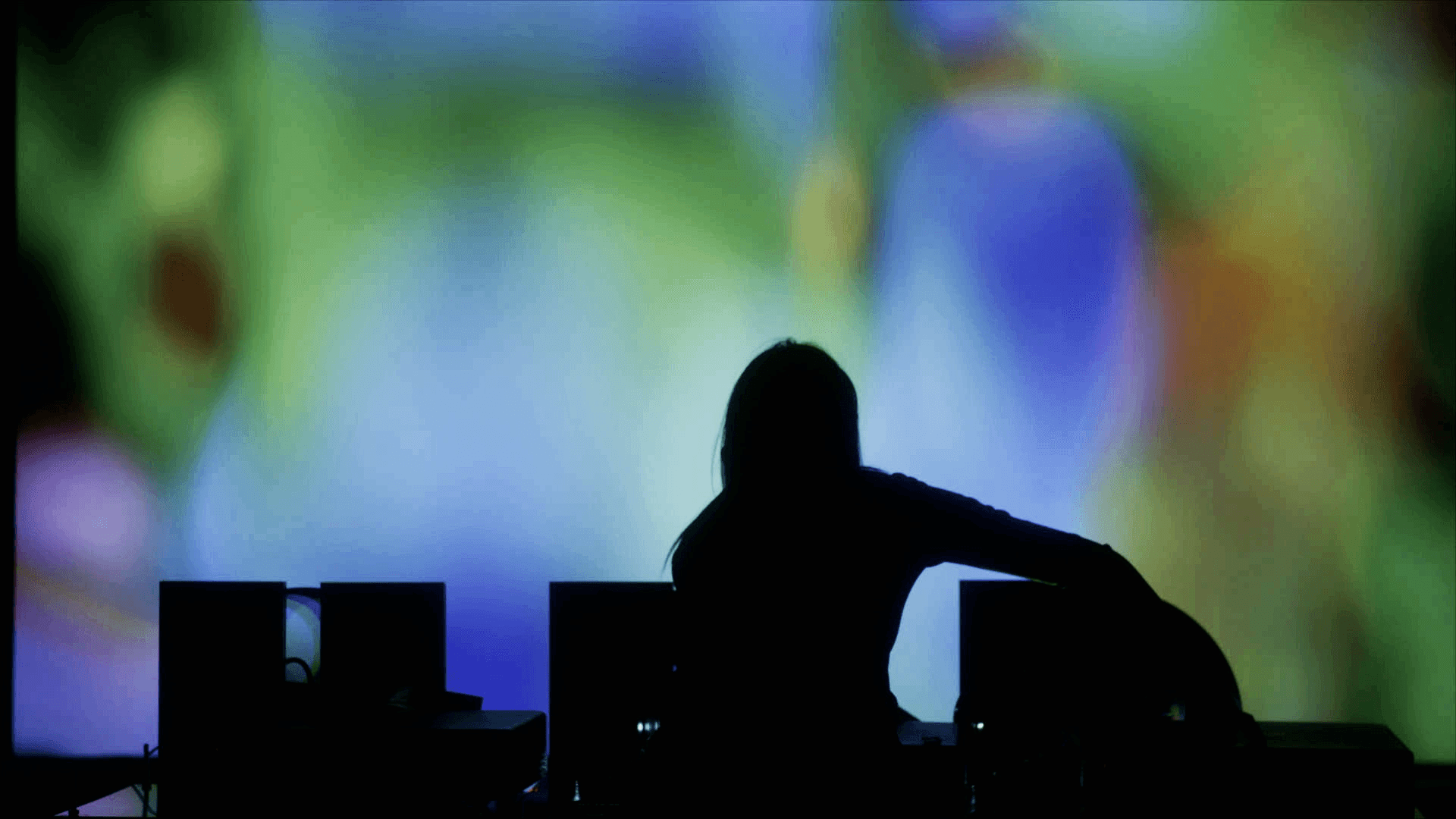
LUF Scope, HeeSue Kwon
Scent, Alan Kwan
DATES AND SCHEDULE
12 September 2026. 12-14h and 17-22h. Performance at 19:30h
ARTISTS
Stein Henningsen (Norway), Rui Soares Costa & André Gonçalves (Portugal), Ilaria Di Carlo (Italy), Ángel Biyanueba (Spain), Chus García-Fraile (Spain), HeeSue Kwon (South Korea) y Alan Kwan (China)
IN COLLABORATION WITH
Festival Proyector 2026
CURATED BY
Mario Gutiérrez Cru and Natalia Colina